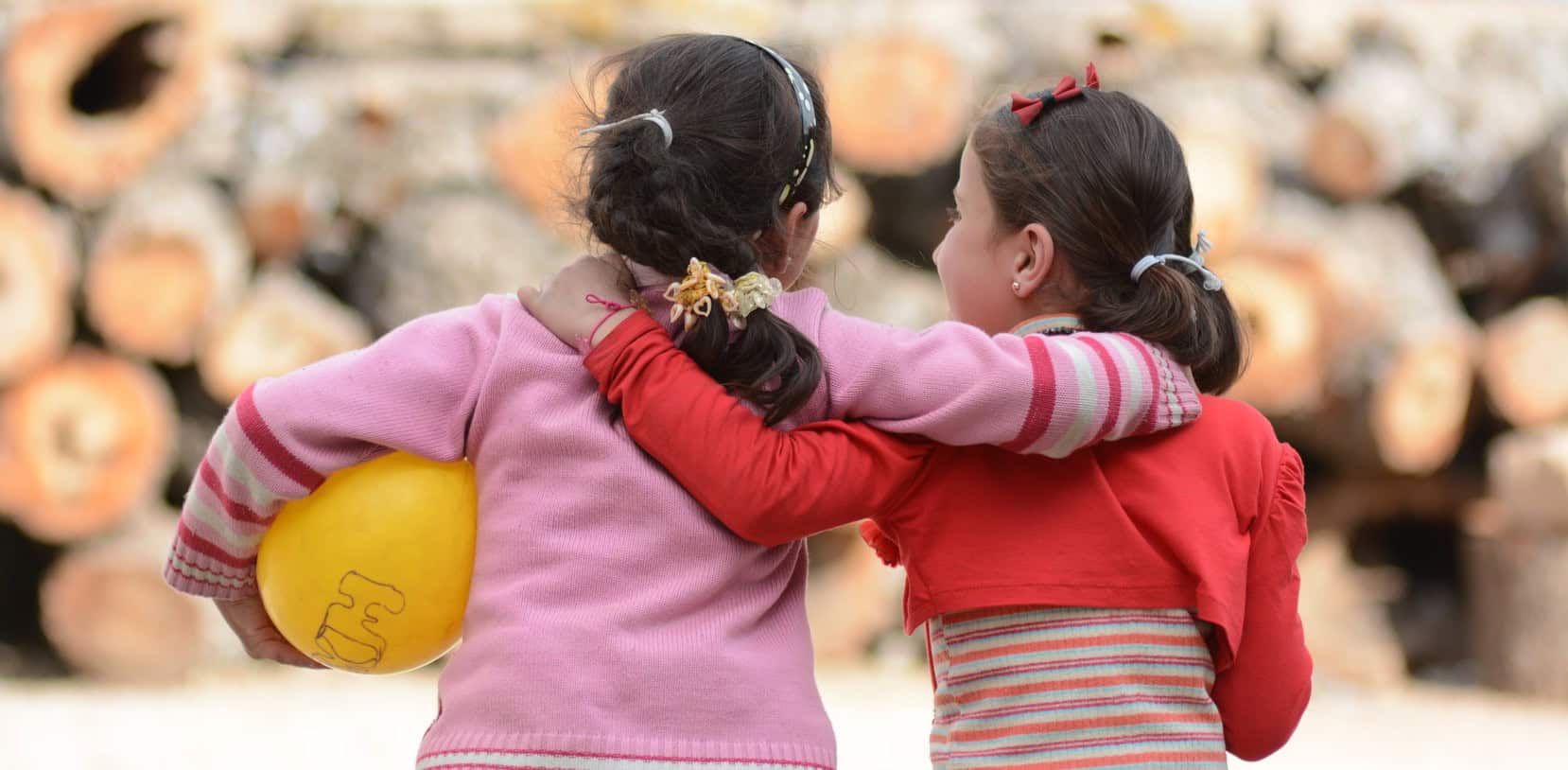
Support is a crucial part of recovery. When times get tough, it is important to have supportive friends on whom you can rely. However, friends can be problematic when they trigger old addictive habits and behaviors. Often people in recovery need to build new friendships with people who are supportive of recovery and free from their own addictions. This can seem like a daunting task, especially if most of your social activities have involved drinking/using in the past.
Here are 3 suggestions for finding new friends:
Recovery meetings offer an opportunity to meet new friends who share similar goals. When attending meetings, say hello to other group members. Ask for phone numbers or invite somebody to go out for coffee. It may be scary to reach out to new people at first, but it gets easier with practice. And more often than not, you will find that people are receptive and welcoming.
Another way to start building new friendships is to try new activities. In early recovery, it can be challenging to fill time that would otherwise have been spent on addictive behaviors. Why not sign up for a golf lesson or take a Spanish class? Not only do new hobbies provide opportunities for meeting new people, but they also offer a fun and healthy way to spend your time.
Social media and technology can also be helpful in connecting with new people. Websites such as meetup.com offer a wide variety of groups for people with similar interests. You can join a hiking group, find a cycling team, or plan a meet up with other dog lovers. Whatever your interests are, social media can help you find others who share them.
What suggestions do you have to add?