How effective is ketamine for depression?
By Tom Horvath

Depression often coincides with addictive problems, as a cause or effect, or some combination thereof. Addressing depression, whatever its causal role, is often one of our main focuses at Practical Recovery. Fortunately, there are a wide range of methods for addressing depression, and we expect to be successful, in time, with nearly everyone.
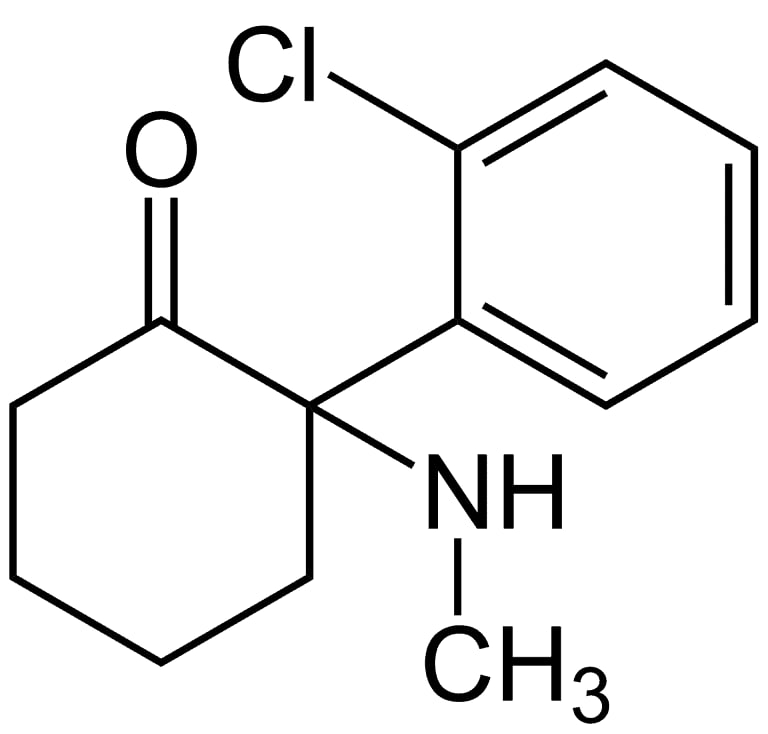
In recent years many clinicians have been interested in the possibility that ketamine is an effective antidepressant. (There is also interest in ketamine as a direct treatment for addictive problems, but for now we focus on depression). Any large urban area is now likely to have multiple ketamine clinics. A recently published study raises significant concern about whether, as with other new treatments, expectations have exceeded evidence about the effectiveness of ketamine for depression.
Serial Ketamine Infusions as Adjunctive Therapy to Inpatient Care for Depression: The KARMA-Dep 2 Randomized Clinical Trial
https://jamanetwork.com/journals/jamapsychiatry/fullarticle/2840552
This double-blinded randomized clinical trial had 62 inpatient subjects being treated for moderate to severe depression. The study was noteworthy for attempting to control for patients discovering that they were on ketamine, by giving the control condition an active placebo, which mimicked the effects of ketamine. All subjects also got standard treatment in the hospital.
All subjects received two infusions per week for four weeks (eight infusions total), and were followed for six months. There were no significant differences between the ketamine or control conditions on depression, or several other outcome variables.
The paper states that “a key challenge in evaluating ketamine’s efficacy is the difficulty in maintaining blinding due to its distinctive dissociative effects.” Despite significant effort to establish and maintain the blind, this effort “was not successful.” The investigators suggest that the non-statistically positive outcome for ketamine “reflects expectancy rather than a specific treatment effect.”
In a related paper they elaborate on their concerns:
Ketamine versus ECT for major depression: Flawed evidence base
https://www.thelancet.com/journals/lanpsy/article/PIIS2215-0366(25)00300-1/abstract
They suggest that “this literature includes methodologically flawed trials and meta-analyses that threaten the integrity of evidence-based medicine and risk steering patients and clinicians towards what might be a less effective treatment.”
Should ketamine not be used for depression? The evidence appears to suggest that ketamine should not be used first, before trying evidence-based treatments that may be appropriate. When considering treatments for depression, options to include are exercise, increased social activity, and outdoor time and sunlight. Fortunately, for depression, many treatment approaches may be used simultaneously. However, if other approaches have not been sufficiently successful, the patient is motivated for a trial of ketamine, and the prescriber has no major concerns, ketamine remains an option.
Perhaps over time, we will identify a group of patients for whom ketamine is a treatment of choice. As with scientific investigation generally, more evidence is needed!
Liked this article on Ketamine for Depression? You might also be interested in: Early Research on LSD for Alcohol Problems.