
Cognitive Reappraisal

By Tom Horvath, PhD “We are disturbed not by events but by our views about them.” – Epictetus, 50-135 CE The cognitive behavioral therapy (CBT) tool known as cognitive reappraisal uses a fancy term for what is perhaps the fundamental idea of Stoicism: We can control our lives by controlling our “views” (or our “thoughts,” in […]
Controlling Yourself by Controlling Your Environment

By Tom Horvath, PhD One of the most basic principles of self-control is not to rely on it! Although our motivation (willpower, sense of purpose) can be very strong, there are times when it falls short of what is needed. An alternative approach to self-control is to control our environment. Then self-control is not needed. […]
NIAAA’s Definition of Recovery

By Tom Horvath, PhD In 2022, the National Institute of Alcohol Abuse and Alcoholism (NIAAA) proposed a definition of recovery that begins: Recovery is a process through which an individual pursues both remission from alcohol use disorder (AUD) and cessation from heavy drinking. An individual may be considered “recovered” if both remission from AUD and cessation from […]
Is it Time to Go to Rehab?

By Tom Horvath, PhD Thanksgiving is a few days away. The day after Thanksgiving (or Christmas, New Year’s Day, the Super Bowl, etc.), we often get calls about a substance binge the day before. The binge was so bad, is it time to go to rehab (residential treatment)? Below are some issues to consider when making that […]
Beyond the Twelve: A User’s Guide (Book Review)

Beyond the Twelve-User’s Guide: A Workbook for Navigating the Intersection of Addiction and Change (without the Twelve-Step programs), by Ryan Paul Carruthers A Review by Tom Horvath, PhD I stopped years ago attempting to keep up with new books about how to address addictive problems without using the 12 steps. There seemed to be so […]
Ketamine for Depression
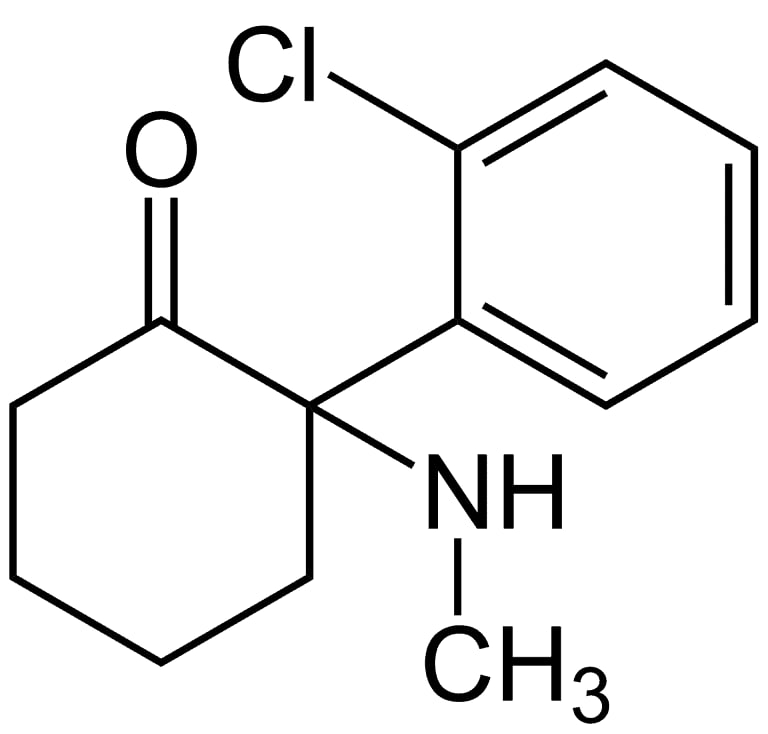
How effective is ketamine for depression? By Tom Horvath Depression often coincides with addictive problems, as a cause or effect, or some combination thereof. Addressing depression, whatever its causal role, is often one of our main focuses at Practical Recovery. Fortunately, there are a wide range of methods for addressing depression, and we expect to […]
Increase in Overdose Deaths in the US
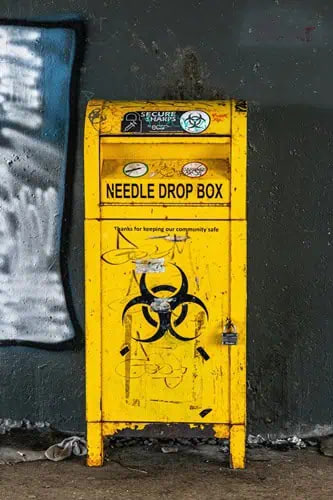
Substance use disorders slightly declined worldwide over the past 3 decades, but deaths increase 2.2 times. by Tom Horvath, Ph.D. A recently published study (9/30/25) in the Frontiers in Psychiatry reported that although the presence of substance use disorders (both new cases—incidence, and existing cases–prevalence) has declined slightly around the world since 1990 (to 2021), substance-related […]
California Complaints About Addiction Treatment

A slight improvement in California law for addressing complaints about addiction treatment By Tom Horvath, PhD AB 424 was signed by the governor on 10/3/25. The bill is quite brief! It adds a section (11834.33) to the Health and Safety code about how the Department of Health Care Services (DHCS) is to address a complaint […]
Free Psychoeducation Group

Practical Recovery’s Free Psychoeducation Group Every Wednesday at 9AM by Zoom, Practical Recovery offers a free one-hour psychoeducation group to all current and past clients. This group has existed for over 10 years. It has regular participants, some of long standing. If it were a SMART Recovery group, we’d call it a “check-in” meeting. We […]
What’s a Good Life?

By Tom Horvath, PhD For many of us a good life is a happy or a meaningful one (or some combination). However, in recent years a group of psychologists has proposed a third guideline: “psychological richness.” On their deathbeds the happy might say “I had fun.” Those with meaningful lives might say “I made a […]