A contrarian view about recipes (but encouragement to prepare food at home)
By Tom Horvath, PhD
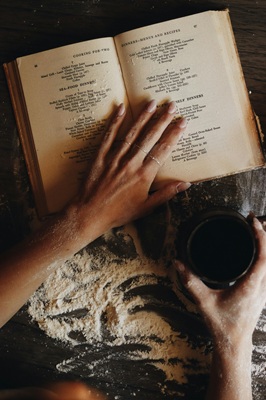
I was raised by a father from a family in the catering business, and a mother who was a dietitian and highly accomplished cook (one of the best I have experienced). In our home we had dozens of recipe books, and there are many in my current home.
Nevertheless, I rarely use a recipe, and even if I do, I may never have followed one precisely. When there is a particular kind of dish I want to make, and I’m not sure about ingredients, I will jump to a recipe book or online, but that information is just a launching pad.
I understand that baking is an entirely different business, but when it comes to cooking food, I love the creativity and playfulness of it. Even when I come up with a combination of flavors that others might not like so much, I’m glad I experienced it.
On tests of personality, one of the typical factors assessed is entitled “openness to new experience.” It turns out I am quite high on this factor. I think I’d rather have a bad set of flavors, than a boring or repetitive one. I understand that not everyone would want to approach dinner this way!
For me creating a meal begins with choosing the foods I want to make sure I consume in it. In planning the meal I’m thinking about proteins, fats, carb, and micronutrients (vitamins and minerals), and the ways to get there: protein sources, vegetables of all types, fruits and dried fruits, whole grains, beans, nuts and seeds, beverages, and atypical items like hot-air popped popcorn (still my favorite appetizer), nutritional yeast, probiotic foods, spices, etc.
I aim to get at least 30 different foods per week, and I prefer 60. Toward the end of the week if there is a food I have not eaten, it can become a significant aspect of the menu.
I have many other dietary guidelines, but to put this process in a nutshell, it is the foods to eat, rather than the dishes to eat, that are my focus. We are what we eat, and I want to give my body the building blocks it needs to keep me as healthy as possible. In practice dinner often looks like a protein source, steamed set of veggies, possibly a whole grain, and fruit for dessert.
I understand that not everyone would find this approach suitable. Nevertheless, it is how I focus on eating for health rather than eating for taste. If you can put those two goals together, which I believe is entirely possible, go for it!
Regardless of to what extent you use recipes or adhere more closely to the orientation I’ve just described, which is to focus on foods more than dishes, the most important idea here, particularly for individuals working to be successful in the process of addiction recovery, is to prepare food at home. Unfortunately, I know individuals who live life so disrupted by the chaos of addictive problems, that they only eat fast food. As your life stabilizes, and you can plan your meals, an entire world of healthy eating awaits you. Part of the encouragement of this article is that you do not need to be a fancy cook to eat well. Identify healthy foods and eat them! Fast foods may contain good ingredients, but they are also often filled with substances harmful to various degrees. With time devoted to shopping and simple food prep, in time you can be eating food that is almost entirely good for you.