
Addicted in Film: Movies We Love About the Habits We Hate (A Review)
Addicted in Film: Movies We Love About the Habits We Hate, by Ted Perkins A review by Tom Horvath, PhD www.addictedinfilm.com I have already provided advance praise for this book, and I am pleased to repeat it: [Addicted in Film: Movies We Love About the Habits We Hate] is a must-have if you or anyone […]
NIAAA’s Core Resource on Alcohol
by A. Tom Horvath, Ph.D., ABPP Might you be looking for an up-to-date and thoroughly scientific “textbook” on alcohol, alcohol problems, and how to deal with them? In May, 2022, the US National Institute on Alcohol Abuse and Alcoholism (NIAAA), one of the 27 National Institutes of Health, published one online. Although this resource is […]
Netflix Miniseries Mentions Rational Recovery
by Tom Horvath, PhD In September 2021, Netflix released a seven-episode miniseries that mentions Rational Recovery (RR) as an alternative to Alcoholics Anonymous (AA) in episode II (starting in minute 46). Ironically, the mention of RR occurs in a very small (two-person) AA meeting. The pro-RR speaker is required to attend AA as part of […]
Undoing Drugs – a Review by Tom Horvath, Ph.D.
Undoing Drugs: The Untold Story of Harm Reduction and the Future of Addiction, by Maia Szalavitz Review by A. Tom Horvath, PhD The harm reduction approach to addressing addictive problems has until recently been highly controversial, at least in the US. Treatment and other change efforts in the US have been primarily guided by the […]
Ending Stigma
By Tom Horvath, PhD Addiction professionals say they’re working toward ending stigma surrounding addiction, but they also tend to promote addiction as a disease. These activities are contradictory. By promoting addiction as a disease they play into the general tendency to perceive in-groups (“normies”) and out-groups (those with the disease). Instead of emphasizing that “addiction […]
The Self-Empowering Approach
by Tom Horvath, PhD Practical Recovery and SMART Recovery both use the self-empowering approach for resolving addictive problems. This approach contrasts with the powerlessness-based approach of AA and other 12-step groups, at least on the surface. Both approaches begin with the person considering change, and then deciding to change (at least to some degree). Both […]
Seeking Out and Managing Discomfort
by Tom Horvath, PhD A well-lived life needs to have significant and possibly considerable amounts of discomfort in it. For instance, do you want to exercise well, maintain a certain weight, get up early, work hard at something, or hold your tongue in an intense discussion? You are likely to feel uncomfortable! The key, then, […]
Research Chemicals May Accelerate Psychedelic Treatment
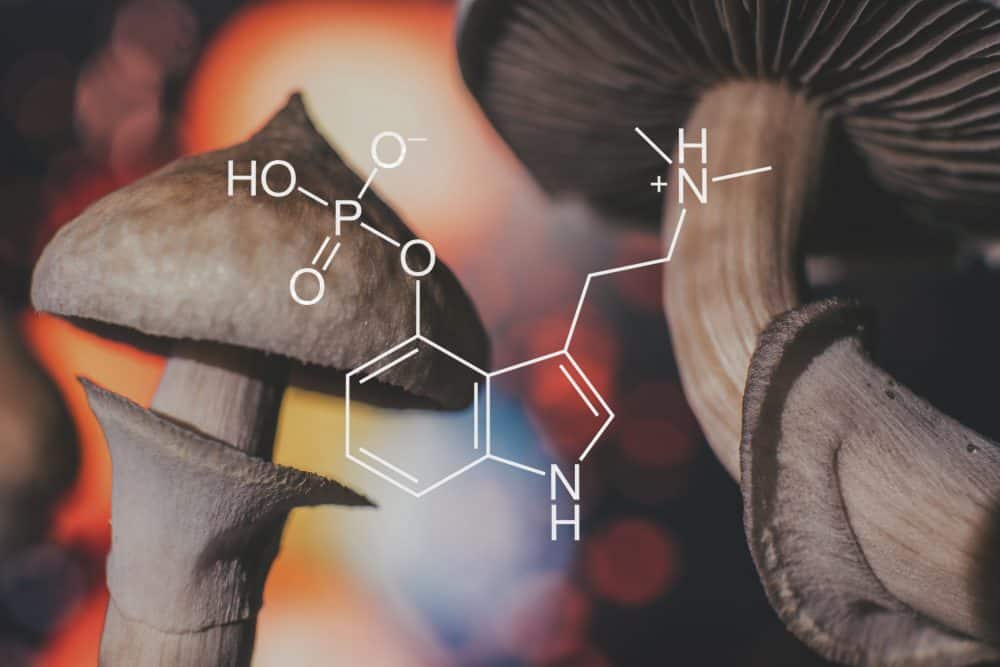
by Thaddeus Camlin, Psy.D. Research chemicals are commonly associated with things like ‘the dark web,’ ‘silk road,’ ‘the amazon of drugs,’ and other, slightly shady and un-salubrious sectors of society. However, research chemicals earn their family name because there are some actual scientific researchers investigating true therapeutic and clinical potential. Recently, one such scientific researcher, […]
APA Encourages Harm-Reduction & Telehealth During Pandemic

by Thaddeus Camlin, PsyD The American Psychological Association (APA) recently published an article offering advice from leading professionals on effectively treating and preventing addictive problems during the COVID-19 pandemic. Our own Dr. Horvath is quoted multiple times in the APA article, speaking about the value of telehealth during pandemic and the importance of fostering resilience […]
Understanding the SMART Recovery USA Position on Goals

by A. Thomas Horvath, Ph.D., ABPP As part of my celebration of SMART Recovery’s 25th Anniversary, this blog is devoted to considering the recently released SMART Recovery USA Position on Goals: “SMART Recovery is abstinence oriented. Our meetings and tools are designed to help participants stop problematic addictive behavior.” I offer the following interpretation of […]